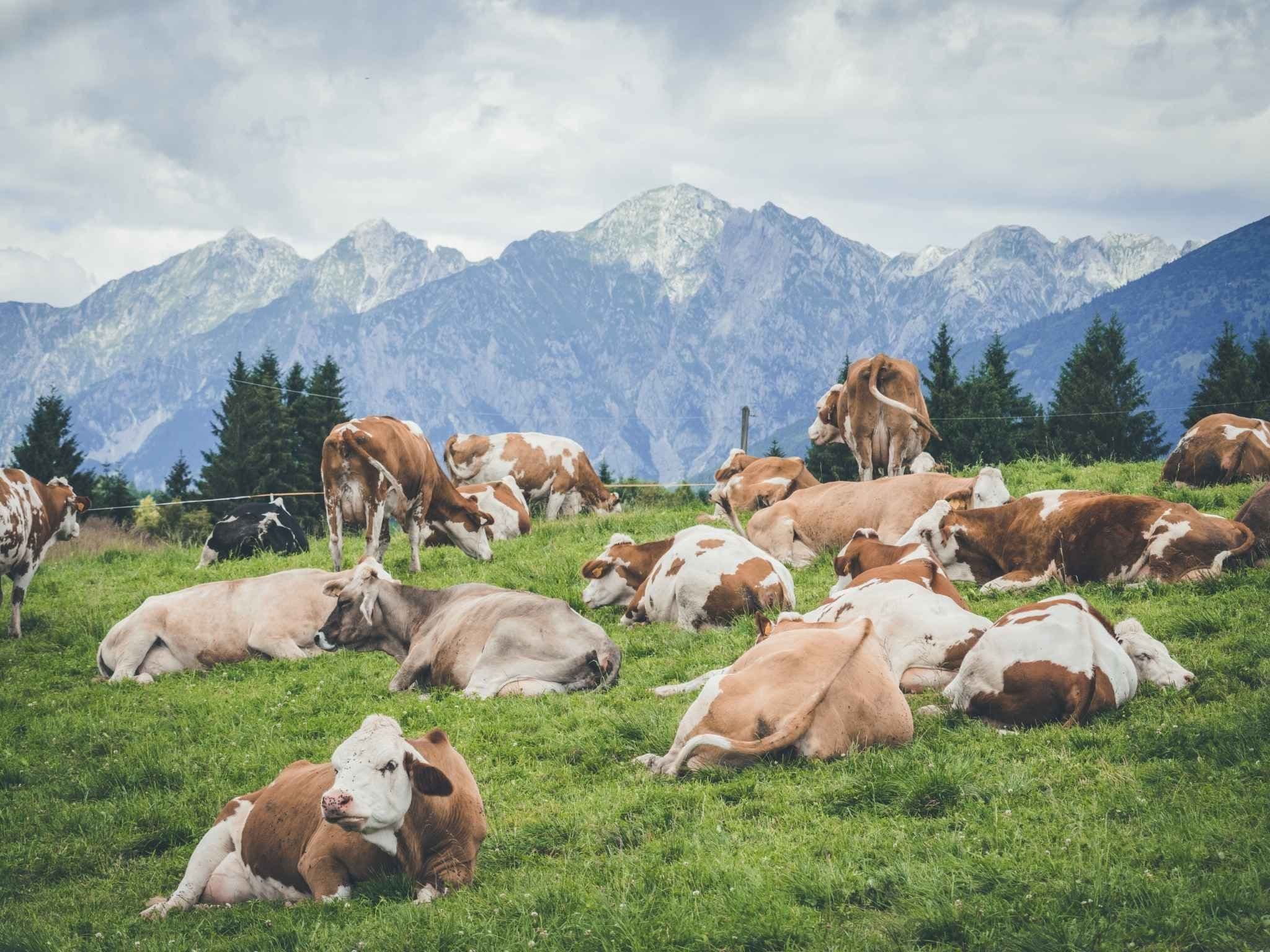
Discover the essential farm records every livestock farmer should keep
Running a livestock farm involves hundreds of decisions.
You buy feed. Treat sick animals. Vaccinate. Pay workers. Sell animals. Record births. Deal with losses. Buy new stock.
But how much of all this do you actually remember?
More importantly, can you tell how much your farm made last month?
If the answer is no, you're not alone.
Many livestock farmers keep some records, but often only record sales or expenses. The problem is that one record alone cannot tell you the full story of your farm.
A profitable livestock farm needs more than animals and sales. It needs good information.
Here are the most important records every livestock farmer should keep.
1. Animal Inventory Records
Start with knowing exactly what you have.
Your animal inventory should tell you:
How many animals you currently have Type of animal Breed Age or age group Sex Animals purchased Animals born Animals sold Animals that died
For example, if you started the month with 100 chickens and ended with 82, you should know exactly what happened to the other 18.
Were they sold?
Did they die?
Were they transferred?
Without an inventory record, you may simply notice that your numbers have reduced without understanding why.
Your animals are assets. Know what you have.
2. Feed Records
For most livestock farmers, feed is one of the biggest operating expenses.
That makes feed records extremely important.
Record:
Type of feed purchased Quantity purchased Cost Date purchased Quantity used Supplier
Over time, this information can help answer important questions.
How much are you spending on feed every month?
Which animals consume the most?
Has your feed cost increased?
Is the amount you're spending on feed reflected in animal growth or production?
Without these records, it is easy for feed expenses to quietly eat into your profits.
3. Health and Treatment Records
Animal health directly affects your farm's performance.
Keep records of:
Vaccinations Deworming Medication Veterinary visits Diseases Treatments Treatment costs Date of treatment Animals affected
This helps you build a health history for your farm.
For example, if you notice that animals repeatedly become sick after a particular period, your records can help you identify the pattern and investigate the cause.
It also prevents you from relying entirely on memory when deciding what treatment an animal received previously.
4. Birth and Breeding Records
If you keep breeding animals, this record becomes extremely valuable.
Track:
Mating date Parent animals Expected delivery date Actual birth date Number of offspring Offspring survival Breeding history
Over time, you can identify which animals are producing well and which aren't.
This can help you make better breeding decisions instead of simply breeding every available animal.
5. Mortality Records
Nobody wants to lose animals, but losses are part of livestock farming.
What matters is understanding why the losses are happening.
Whenever an animal dies, record:
Animal type Number of animals lost Date Age Possible cause Treatment history, if applicable Estimated financial loss
Imagine losing 20 chickens every few months.
Without records, you may simply consider it part of farming.
With records, you might discover that most of the losses happen during a particular period or after a particular event.
That information can help you investigate and prevent future losses.
6. Sales Records
Every sale should be recorded.
Don't just write:
"Sold goats - ₦300,000."
Record enough information to understand the transaction.
For example:
Animal sold Number sold Selling price Buyer Date Total amount received Related expenses
Sales records help you understand which animals or products generate the most revenue.
They also make it easier to compare your performance from month to month.
7. Expense Records
This is one of the most important records on your farm.
Record every farm-related expense, including:
Feed Medication Vaccines Labour Transportation Equipment Repairs Water Electricity Housing Animal purchases
Don't ignore small expenses.
₦2,000 here and ₦5,000 there may not seem significant individually.
But when added together over a month or year, they can become a major expense.
8. Labour Records
If you employ farm workers, track your labour costs.
Record:
Worker Payment Date Work completed Regular salary or casual labour Overtime, where applicable
This helps you understand how much labour contributes to the cost of running your farm.
It can also help you determine whether your current staffing structure makes financial sense.
9. Production Records
If your animals produce something for sale, you should track production.
For example:
Poultry Number of eggs Number of birds producing Daily/weekly production Dairy Litres of milk produced Number of animals producing Daily production Fish Stock quantity Growth Mortality Harvest quantity Breeding livestock Number of births Survival rate Growth
Production records help you understand whether your animals are performing as expected.
10. Profit and Loss Records
At the end of the day, farming is a business.
You need to know whether the money coming into the farm is greater than the money going out.
A simple calculation is:
Profit = Total Income − Total Expenses
For example:
If you generated ₦1,500,000 from livestock sales but spent ₦1,050,000 running the farm:
₦1,500,000 − ₦1,050,000 = ₦450,000
Your estimated profit is ₦450,000.
But you can only make this calculation accurately if you've recorded your income and expenses.
The Problem Isn't Keeping Records. It's Keeping the Right Records.
You don't need to create dozens of complicated spreadsheets.
Start with these six categories:
Record What It Tells You Animal Inventory What you currently have Feed How much you're spending on feeding Health How your animals are being treated Births & Deaths How your animal population changes Sales How much money you're making Expenses Where your money is going
Together, these records give you a much clearer picture of your farm.
How Often Should You Update Your Records?
Don't wait until the end of the month.
By then, you may have forgotten important details.
A better approach is to record activities as they happen.
Bought feed today?
Record it.
Sold two goats?
Record it.
Vaccinated your chickens?
Record it.
Lost an animal?
Record it.
Received payment?
Record it.
You don't need to spend hours doing this.
A few minutes each day can save you hours of guessing later.
What Your Records Can Tell You
Once you've been recording consistently for a few months, your records become more than a history of what happened.
They become a decision-making tool.
You can start answering questions like:
Which animals are most profitable? How much do I spend on feed each month? How much are health problems costing me? Which months have the highest expenses? How many animals am I losing? How much money am I actually making? Where can I reduce costs? How is my farm performing compared with previous months?
This is where record keeping becomes powerful.
You're no longer just recording your farm.
You're learning from your farm.
Start Small, But Start Today
You don't need a large farm before you start keeping records.
Whether you have 20 chickens, 10 goats, 50 pigs, or hundreds of animals, the principle is the same.
If you don't record it, it becomes difficult to measure it.
And if you can't measure your costs, production, losses, and income, making good business decisions becomes much harder.
Your farm already generates valuable information every day.
The goal is to capture that information and use it.
Ready to make your farm easier to manage?
Acre helps livestock farmers keep their farm activities and records organized in one place, so they can spend less time guessing and more time making informed decisions.
Start recording your farm today.